

Table of Contents
- Why Engaging Activities Matter in Staff Meetings
- Quick Icebreakers for Childcare Staff Meetings
- Short Team Building Games for Work
- Staff Meeting Agenda Templates That Drive Participation
- How to Facilitate Engaging Staff Meetings
- Recognition and Celebration During Meetings
- Common Mistakes to Avoid When Planning Meeting Activities
- Conclusion
- Frequently Asked Questions
Last Updated: September 26, 2026
Why Engaging Activities Matter in Staff Meetings
Staff meetings often feel like a drain on time and energy. But engaging activities for staff meetings transform these gatherings from obligatory check-ins into moments where your team actually connects, collaborates, and leaves feeling energized rather than exhausted.
The difference comes down to intentionality. When you build engaging activities for staff meetings into your agenda, you're signaling that your team's time matters. You're creating space for genuine connection, not just information transfer. This is especially critical in early learning settings, where educator burnout and turnover remain persistent challenges. Research from the National Association for the Education of Young Children emphasizes that workplace culture directly impacts retention and job satisfaction among educators.
The right activities actually save time by improving alignment, reducing miscommunication, and building team cohesion that prevents conflict from festering.
Most staff meetings default to a lecture format that disengages people within the first ten minutes. Interactive elements activate different parts of the brain, helping people participate, remember, and feel valued.
Quick Icebreakers for Childcare Staff Meetings
Two-Minute Connection Starters
The best icebreakers are brief, low-stakes, and designed to help people transition into a collaborative mindset.
One Word Check-In: Ask each person to share one word describing how they're feeling. This takes under two minutes and creates immediate psychological safety.
Appreciation Shout-Out: Invite one person to give a quick shout-out to a colleague for something they noticed that week. This primes the group toward recognition and gratitude.
Quick Wins Round: Go around and have each person share one small win from the past week. This takes three to four minutes and reminds everyone why they do this work.
Interactive Trivia and Quizzes
Trivia is inherently engaging and can be tied directly to your center's culture, policies, or child development knowledge.
Center Culture Trivia: Create five to ten questions about your center's values, policies, or history. This reinforces institutional knowledge and signals that these details matter.
Child Development Quick Quiz: Ask three questions about child development or early learning standards relevant to your state. Keep it light; the goal is engagement, not evaluation.
Team Trivia: Create questions based on your team members' personal lives. This celebrates whole people and builds rapport.
Short Team Building Games for Work
The best team building games for staff meetings can be played in 10 to 15 minutes and create genuine moments of connection or laughter.
Two Truths and a Lie: Each person shares three statements about themselves, two true, one false. The group votes on which is the lie. It reveals things about colleagues and creates natural conversation starters.
Speed Networking: Pair people up randomly with prompts like "Share something you're proud of from the past month." They get two minutes per pair, then rotate. This breaks down silos between rooms or age groups.
Problem-Solving Relay: Divide the team into groups and give them a real workplace challenge. Teams brainstorm solutions in three minutes, then present. People leave with new ideas and a sense that their colleagues have their backs.
Collaborative Story Building: Start a story with one sentence. Each person adds one sentence in turn. It requires people to listen, build on each other's ideas, and stay flexible.
Staff Meeting Agenda Templates That Drive Participation
A template shapes psychology. When people know what to expect and when they'll be heard, they engage differently and contribute more.
The BLOOM Meeting Framework
The BLOOM Team Meeting Method is a structured approach for early learning leaders who want their meetings to feel more positive, productive, and worthwhile.

BLOOM stands for:
B, Build Connection: Start your meeting by creating psychological safety with a two-minute icebreaker or connection starter.
L, Learn Together: Cover operational items interactively. Ask the team what questions they have rather than lecturing.
O, Own the Outcomes: Ask the team to help problem-solve challenges rather than presenting top-down solutions. People are invested in answers they help create.
O, Operate the Business: Cover administrative items concisely. Use a timer if needed.
M, Make a Plan: End by clarifying who's doing what by when and what you'll revisit next meeting.
BLOOM Staff Meeting Method - PRE-ORDER →
The BLOOM Team Meeting Method toolkit, available at Child Care Leadership Hub, includes the BLOOM Meeting Method Workbook and two A3 leadership posters to help you implement this framework consistently.
Building Alignment and Shared Ownership
Decisions made in meetings often don't stick because people weren't genuinely involved in the decision-making process.
To build real alignment, shift from announcement-based to collaborative meetings. Instead of "Here's what we're going to do," ask "What do you think we should do?"
Consensus-Building Protocol: Present the issue, have people think individually for two minutes, pair them to discuss for three minutes, then bring the group together to identify themes and build toward a decision. This results in genuine buy-in.
Rotating Facilitators: Invite different team members to facilitate parts of your meeting. This distributes leadership and gives people ownership over different areas.
Action Item Ownership: Ask for volunteers rather than assigning tasks. People follow through on commitments they've chosen.
How to Facilitate Engaging Staff Meetings
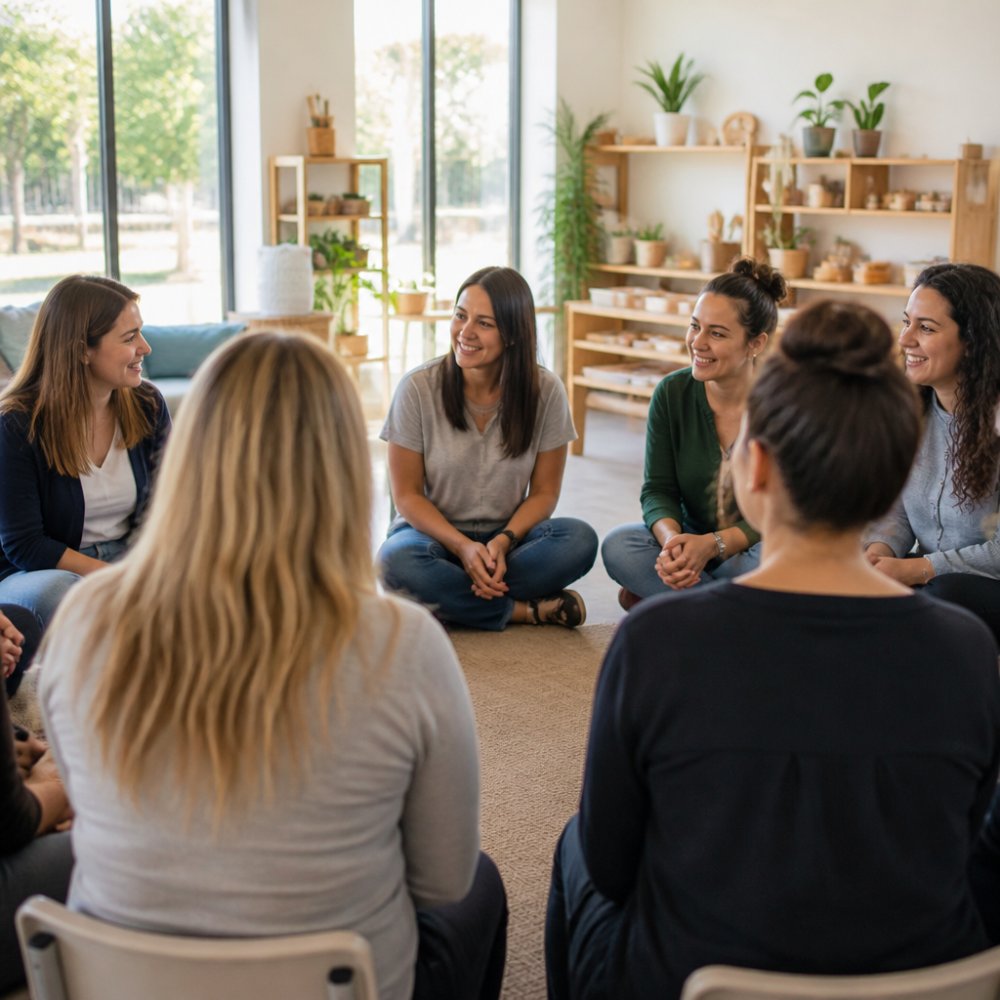
Facilitation determines whether your engaging activities for staff meetings land. A well-designed activity can fall flat if the person leading it isn't clear about the purpose or responsive to the room's energy.
Time-Boxing Activities to Prevent Meeting Fatigue
A common mistake is letting activities run too long. An icebreaker stretches from five to fifteen minutes, and discussions balloon beyond their time. The meeting feels bloated and people disengage.
Time-boxing requires discipline: set a timer and stick to it. When people know an activity will take exactly five minutes, they engage differently and don't hold back.
Create a meeting agenda with time allocations:
- Connection (5 minutes)
- Learning/Updates (20 minutes)
- Problem-Solving/Discussion (15 minutes)
- Recognition (5 minutes)
- Planning/Action Items (10 minutes)
Total: 55 minutes. This leaves five minutes for transitions and gives you a tight, respectful meeting that honors people's time.
Creating Inclusive Spaces for All Participants
Not everyone processes information the same way. Some people are natural talkers who dominate discussions. Others are thoughtful listeners who need processing time before they contribute. Some people are neurodivergent and find overstimulation in group settings challenging.
An inclusive meeting structure honors different ways of thinking and participating.
Think-Pair-Share Protocol: Before you ask for whole-group input, give people time to think individually (one to two minutes), then discuss with a partner (two to three minutes), then share with the group. This ensures that quieter voices get heard and that people who need processing time aren't put on the spot.
Written Input Option: For certain discussions, invite people to write their thoughts on a card or sticky note before sharing verbally. This gives people who prefer writing a way to contribute equally. It also prevents the loudest voice from dominating the conversation.
Breakout Groups: For larger teams, break into smaller groups of three to four for discussions, then reconvene to share key points. This gives more people a chance to speak and reduces the anxiety some people feel speaking in large groups.
Asynchronous Options: Not every input needs to happen in real time. For some decisions or feedback, send a quick survey before the meeting or invite written feedback after.
Recognition and Celebration During Meetings
Recognition is one of the most underutilized tools for building culture. Many directors know recognition matters, but they approach it as an afterthought or something to squeeze in if there's time.
Common Mistakes to Avoid When Planning Meeting Activities
Even with good intentions, directors sometimes sabotage their own meetings by making predictable mistakes.
Conclusion
Staff meetings don't have to feel like a waste of time. When you design them intentionally with engaging activities, clear structure, and genuine recognition, they become the moments where your team actually connects and aligns. The Culture Booster Cards from Child Care Leadership Hub provide 24 ready-to-use activities organized around real team needs, connection, reflection, appreciation, reset, celebration, and joy.

Frequently Asked Questions
What are some fun activities to start a staff meeting?
Start with a two-minute icebreaker that requires minimal setup. Try a quick round-robin where each person shares one word describing their week, a rapid-fire trivia question related to your centre, or a simple scavenger hunt for items around the room. These activities take 3-5 minutes and immediately shift the tone from rushed to connected. Culture Booster Cards offer ready-made conversation starters designed specifically for early learning teams.
How can I keep staff engaged during long meetings?
Break meetings into time-boxed segments with different activities. Alternate between discussion, interactive brainstorming, and brief movement breaks. Include moments for employee recognition and celebration, which boost morale and participation. Avoid back-to-back presentations; instead, build in collaborative problem-solving activities. Meeting fatigue is real, so aim for meetings under 60 minutes with built-in variety.
What's the best way to handle staff who resist participation in meeting activities?
Resistance often signals that activities feel forced or irrelevant. Start small with low-pressure icebreakers that don't require sharing personal information. Explain the purpose of each activity upfront: how it builds team alignment, strengthens communication, or addresses a real challenge your team faces. Neurodiversity-inclusive activities work better than those requiring quick thinking or public speaking. Consistency matters; teams engage more readily when activities become a trusted part of your meeting culture.
How much time should I spend on engaging activities in a staff meeting?
Aim for 10-20 minutes of dedicated activities in a 60-minute meeting. This typically includes a 3-5 minute icebreaker, a 10-15 minute collaborative activity addressing a real team need, and 2-3 minutes of recognition or celebration. The BLOOM Staff Meeting Method provides a structured framework that balances connection, learning, operations and planning without overwhelming your schedule.
0 comments